
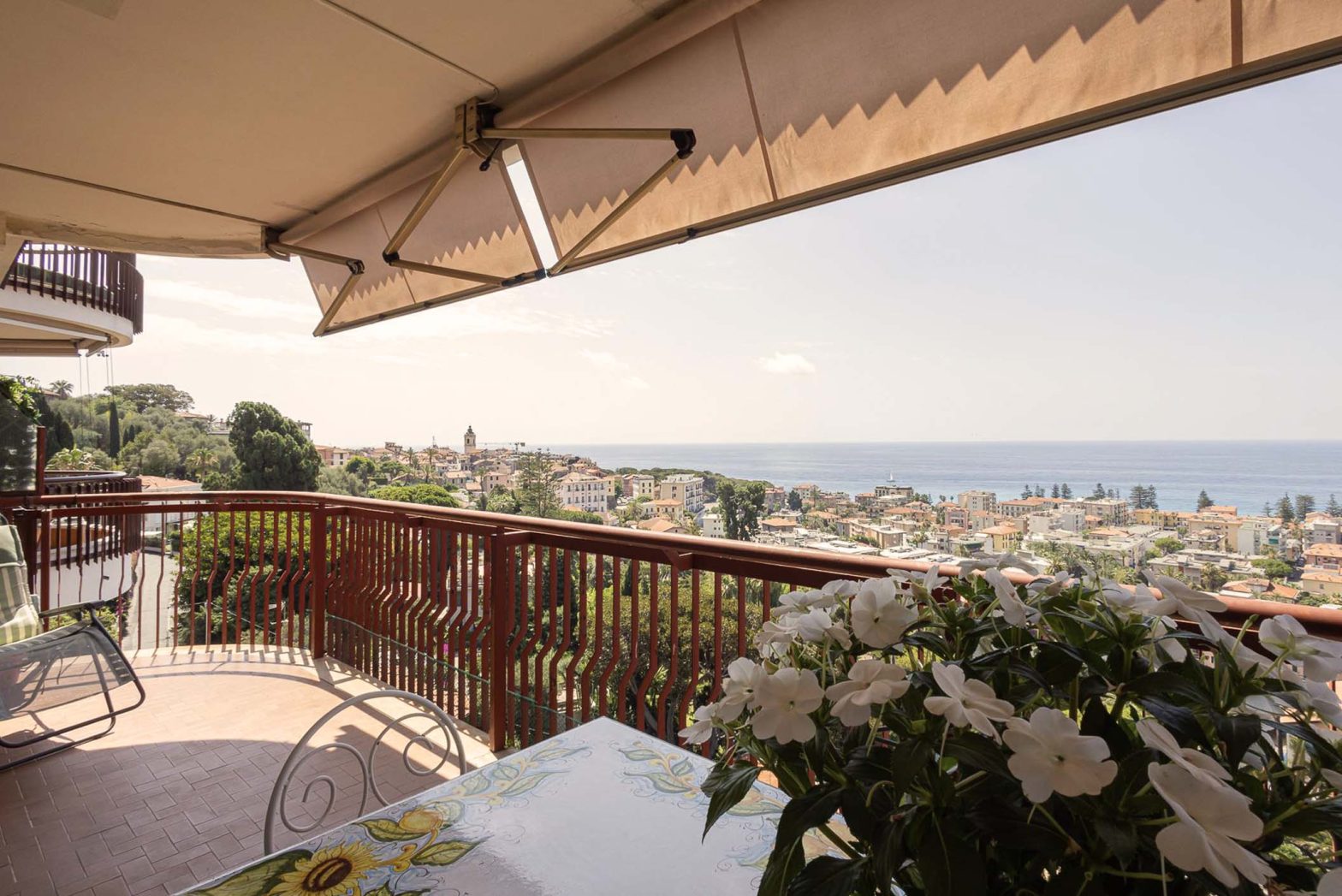
Mortgages for foreigners in Italy: what you really need to know before buying a home.
The Riviera dei Fiori has always been a magnet for international buyers. In the area between Bordighera, Ospedaletti and Sanremo, buying a property is not just a lifestyle choice, but often a strategic investment, linked to the quality of the region, the climate and the stability of the Italian property market.
In this context, one of the most frequently asked questions concerns financing: is it possible to obtain a mortgage in Italy if you are a foreigner? And, above all, on what terms?
The answer is yes, but with some significant differences compared to a resident citizen. And this is precisely where the need for clear, structured and practical information comes into play.
Because whilst it is true that mortgages are accessible to international clients, it is equally true that the process is more selective, requires more documentation and demands more careful preparation.
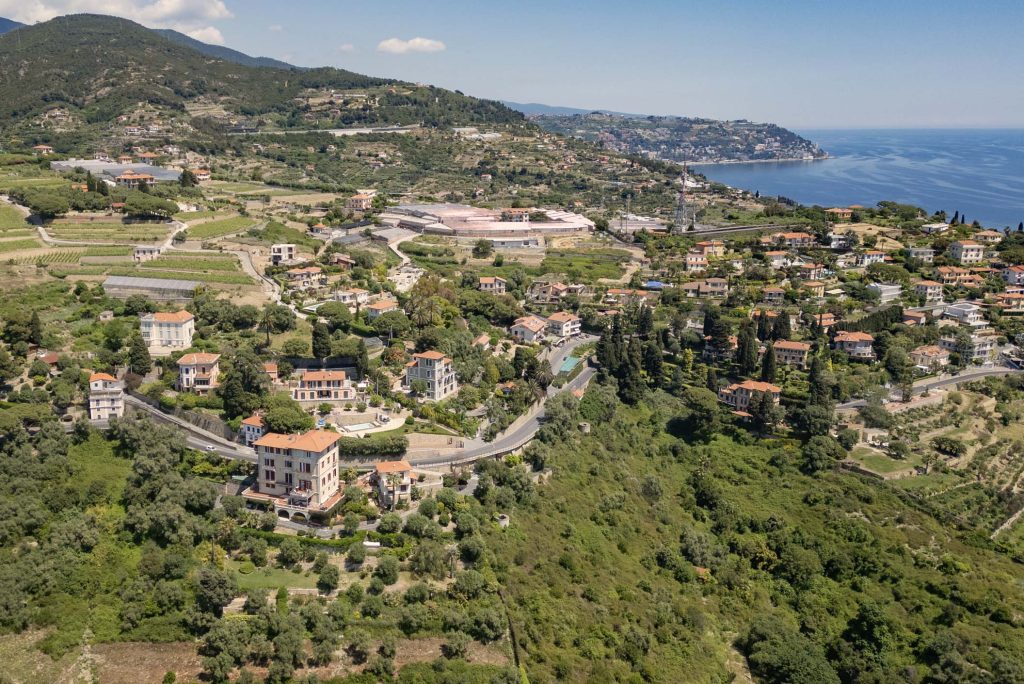
Can I obtain a mortgage in Italy if I am not a resident?
One of the first concerns relates to residency. Many people think that without residency in Italy it is not possible to secure a mortgage, but this is actually not the case.
Italian banks can grant mortgages even to non-resident foreign citizens, but the assessment is generally more cautious. This is because, from the bank’s perspective, the risk is higher: income is earned abroad, the tax situation may be more complex, and managing the customer is not always straightforward.
For this reason, whilst a resident citizen can often secure a loan of up to 70–80 per cent of the property’s value, for a non-resident foreigner this percentage is significantly lower. In most cases, the loan is unlikely to exceed 50 per cent of the property’s value.
This means that buyers from abroad must be prepared to make a larger down payment and have greater initial liquidity available. This is not an arbitrary limit, but a protective measure on the part of the bank, which tends to reduce its exposure when dealing with more complex profiles.
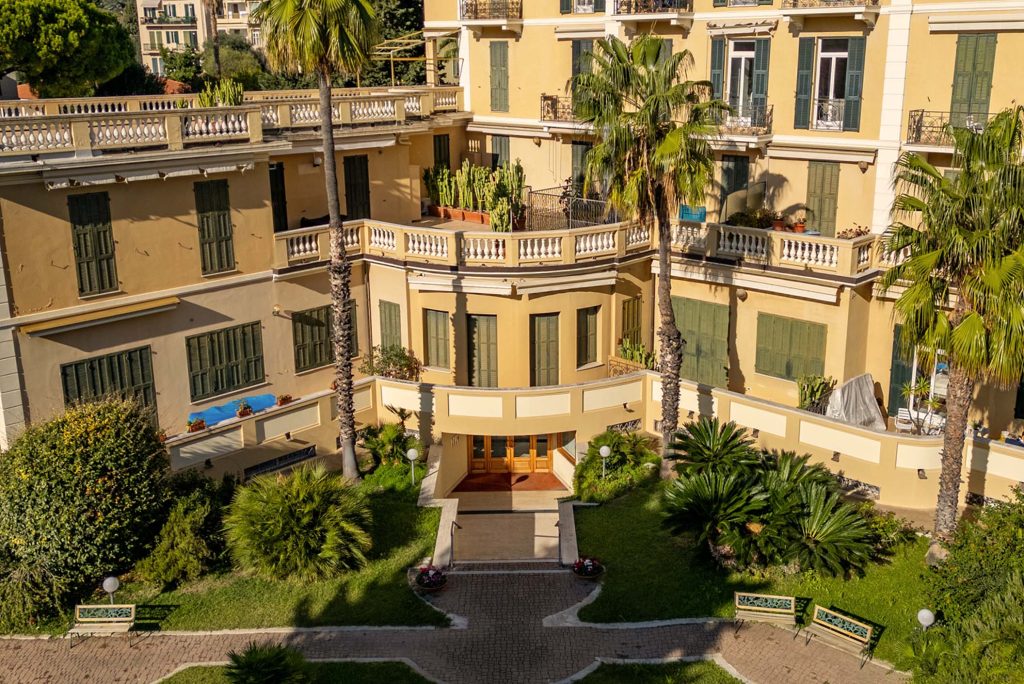
The main differences compared with a mortgage for residents.
Beyond the percentage that can be financed, the differences are not merely formal but substantial, and they have a direct impact on the likelihood of securing a mortgage.
When assessing a foreign customer, the bank is faced with a more complex profile to analyse. There is no readily accessible credit history in Italy, the income is earned in another country and, above all, debt recovery in the event of insolvency is more complicated. This leads credit institutions to be more selective and rigorous.
Consequently, it is not enough simply to have a good income. You need to demonstrate stability over time, consistency between documents and traceability of financial flows. In many cases, applications are not held up due to a lack of financial capacity, but because of inconsistencies between documentation, bank transactions and tax returns.
Processing times are also longer – not due to inefficiency – because every document must be scrutinised more carefully, particularly if it originates from different tax and legal systems.
Finally, there are additional costs and steps, such as certified translations and formal checks, which make the process more structured than that for a resident client.
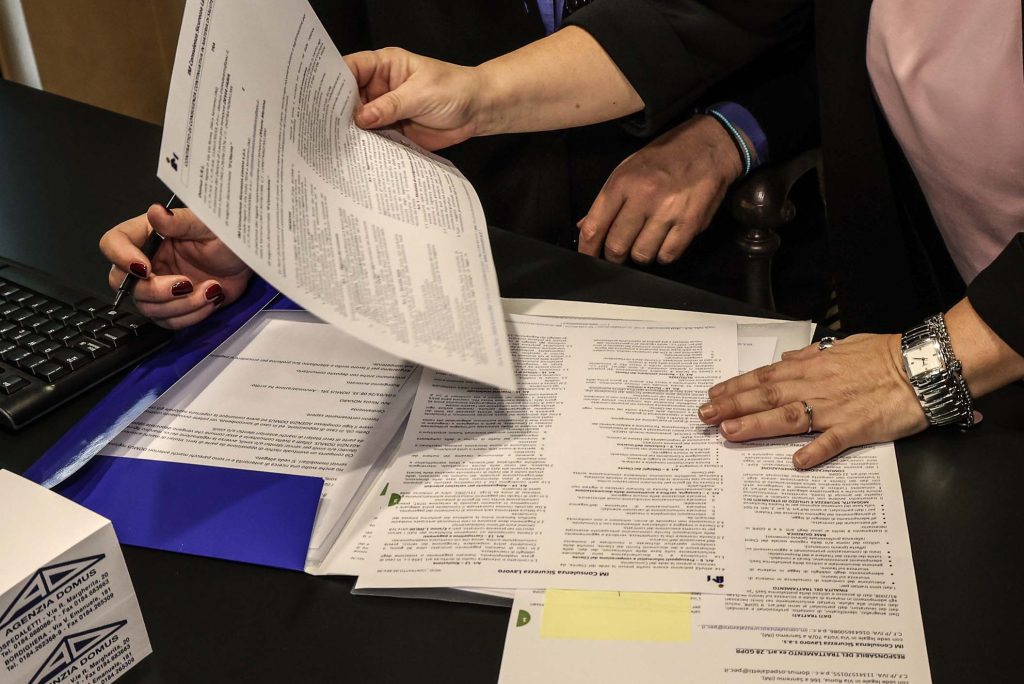
What documents do foreign nationals need to apply for a mortgage?
This is the very heart of the process. It is not merely a list of documents, but the foundation upon which the bank builds its trust in the applicant.
The required documentation serves a specific purpose: to demonstrate that the income exists, is stable and, above all, can be traced over time. For this reason, at least two full years’ worth of official tax returns are required, both personal and, in the case of business owners, company tax returns. These are supplemented by an up-to-date company profit and loss statement, which provides an insight into recent financial performance.
A key factor is proof of actual cash flows. The bank therefore requires bank statements for the last 12 months and tax payment receipts for the same period. This serves to verify that the declared figures correspond to the actual transactions.
In addition to income, financial stability is analysed. Savings, investments, bonds or other financial instruments are key factors in strengthening the applicant’s position.
Another key aspect is the existence of other loans or financial commitments. Any outstanding loans directly affect the ability to secure a mortgage, as they reduce the available margin for covering the monthly repayment.
From a personal perspective, you will need to provide a passport or identity card, your Italian tax code and foreign tax code, full contact details (telephone number and email address) and a family status certificate. If you are purchasing with your spouse, you must also provide the full documentation for the other person.
For mortgages exceeding 500,000 euros, the application process becomes even more thorough: you may be required to provide birth certificates, marriage certificates and reports on your overall financial situation, including confirmation that you have not been subject to any insolvency proceedings.

The issue of translations and the validity of documents.
This is one of the most critical aspects of the entire process and, often, one of the most underestimated.
All official documents prepared in a language other than Italian must be translated by a legally certified translator. This is not simply a translation, but a legal validation of the content.
In most cases, a translation with an affidavit is required, which certifies the authenticity of the document at an international level. This step is not optional: without translated and validated documentation, the bank cannot formally initiate the application.
If the documents are in English, they may be reviewed for an initial preliminary assessment, but they are not sufficient to proceed with the application process. A translated and certified version is, however, required for the official commencement of the application process.
This factor has a tangible impact on timescales and costs and is one of the main causes of delays in applications for foreign clients.

The documents relating to the property.
In addition to the customer’s financial position, the bank must also be fully assured about the property that will serve as security for the loan.
The documents required include the original purchase contract (if available), which enables the property’s history to be traced. An up-to-date land registry certificate is also required, together with title searches and floor plans.
An essential element is the registered preliminary sale agreement or the accepted offer to purchase: without this document, the application cannot be processed.
An energy performance certificate (APE) and all planning documentation are also required: the approved plans, planning permission, and proof of compliance with land registry and planning regulations.
These elements are not merely formalities; they enable the bank to verify that the property is in order, marketable and suitable for use as security. Without this complete documentation, the application cannot proceed.

The process: how do non-residents apply for a mortgage?
The procedure generally follows the same steps as a standard mortgage – which we discussed in our article ‘Mortgages for buying a home: the complete guide to making an informed choice on the Riviera’ – but with greater attention paid to the initial stage.
It all starts with gathering and verifying the documents. This stage is crucial, as any gaps or inconsistencies can significantly slow down the process.
Next comes the bank’s assessment, which evaluates the applicant’s profile, the viability of the transaction and the value of the property. At the same time, a technical survey is carried out.
If the assessment is positive, the application proceeds to approval and then to the signing of the deed. As mentioned, during the deed signing stage, certified translators or additional documents may be required, with the costs borne by the buyer.
The overall timeframe may vary, but tends to be slightly longer than for a standard transaction, precisely because of the complexity of the documentation.
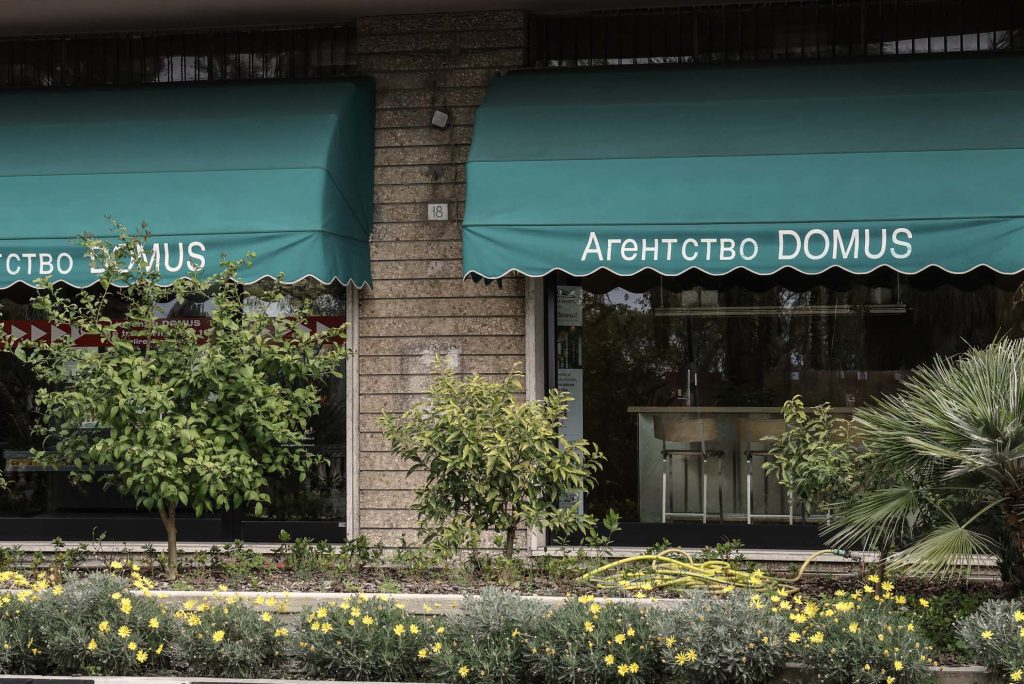
Buying a house in Italy as a foreigner involves a specific process.
Buying a property in Italy – and particularly in an area such as the Riviera dei Fiori – is entirely possible, even for a foreign buyer. But the issue is not whether it is possible: it is how it is managed.
In practice, the difference between a smooth process and one that gets stalled is not just down to financial requirements, but to the quality of the preparation.
Many transactions become complicated not because the client lacks the necessary resources, but because the documents are inconsistent, are not presented correctly or do not meet the standards required by Italian banks.
Timing is another decisive factor. Preparing the documentation in advance, checking the validity of translations and ensuring all elements of the application are in order helps to avoid delays which, in the property market, can result in missed opportunities.
In other words, mortgages for foreign nationals are not inherently more difficult, but they are less tolerant of errors.

The value of consultancy: why does Domus make the difference?
It is precisely in this type of transaction that consultancy really comes into its own. Domus does not merely suggest properties, but guides the client throughout the entire process, helping them to navigate the property, administrative and financial aspects.
For an international client, this means having a point of reference who knows the local area, the market dynamics and how Italian banks operate.
If you are considering buying a home on the Riviera dei Fiori and want to better understand your financing options, Domus can support you at every stage, from choosing the property to securing the mortgage best suited to your circumstances.
Because buying a home abroad is not just a matter of opportunity. It is a decision that requires vision, clarity and the right support.
Get in touch and let this experience be handled by experienced professionals who are ready to support you through this challenging time.